
Parent Coaching That will deepen your connection with your Toddler & Build Understanding of their Behavior & Development
Specializing in strategies for Toddlers (18-36 months)
Developmental Progress -
Successful Interactions -
Co-regulation -
Teaching Safe Behaviors -
Developmental Progress - Successful Interactions - Co-regulation - Teaching Safe Behaviors -
How can coaching help me and my toddler…?
-
![]()
Master New Skills
Whether you simply want to keep your child’s development on track, have developmental questions or concerns, in one or more areas, or if your child has a diagnosis and you need guidance and support at home, Parent Coaching may be the right fit for you. Coaching supports: Developmental Milestones, Speech or communication development, Sensory & Emotional Regulation, Behavioral & Safety Concerns, Social Connection & Play development. We will tailor your coaching plan by using Cognitive and Social-Emotional screening tools, research based frameworks and strategies, IFSP goals and partnering with other professional(s) working with you and your child.
-
![]()
Enjoy Social Interactions
Whether your Toddler is at home with you or attending daycare the way your child interacts with family members, caregivers, and other children is vital to your child’s social development. .If your Toddler is struggling with communicating feelings, needs, following directions, or routines, adapting to transitions, and/or interacting appropriately with others Coaching will provide practical strategies to implement in your daily interactions. Together we will work on strategies that will make family interactions, play dates, and school days feel more successful.
-
![]()
Develop Safe Behaviors
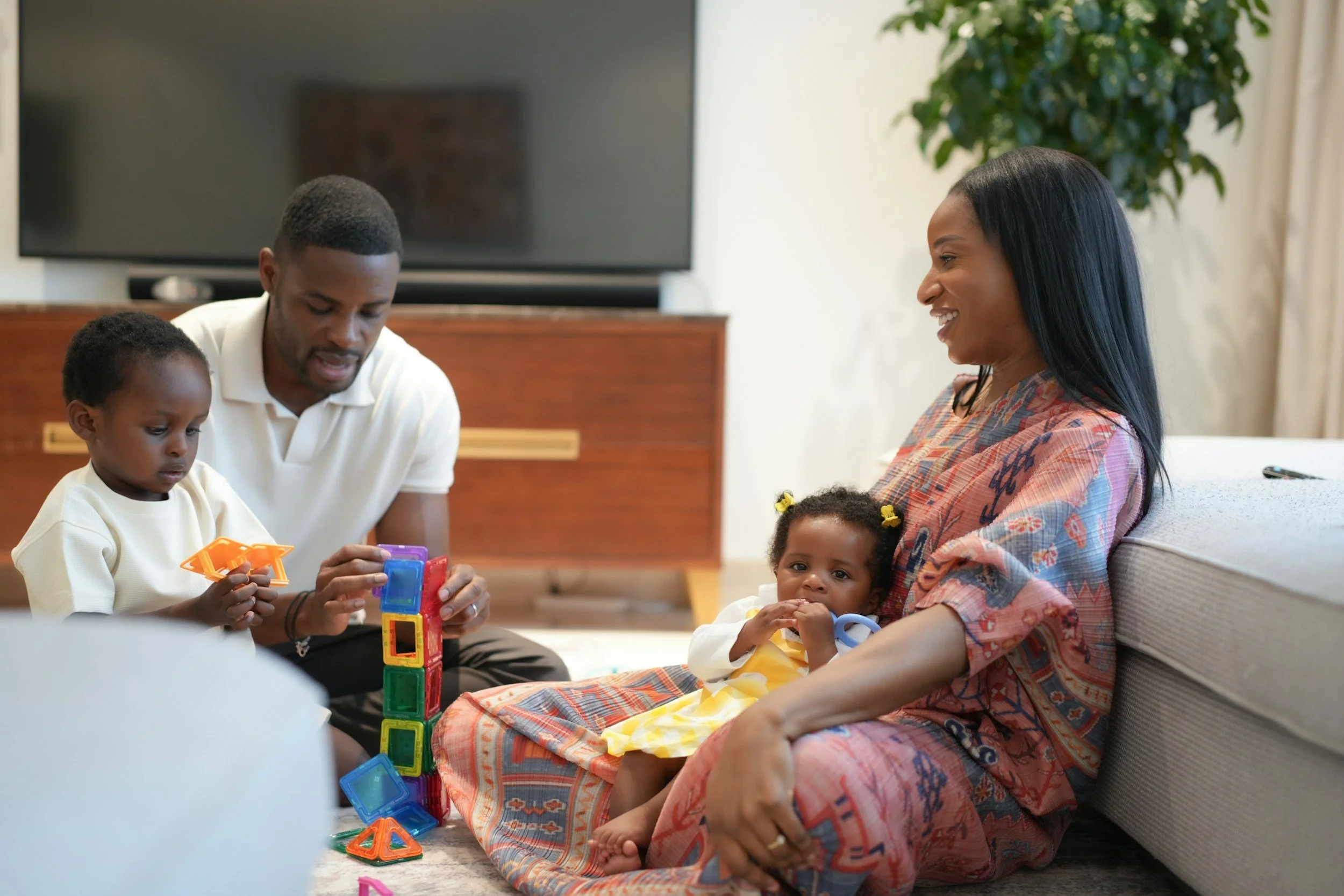
Our biggest concern, as parents, is keeping our children safe. At this age children naturally are exploring environments and do not understand potential dangers. Your Toddler is also discovering their independence, increased gross motor abilities, and has ego centrical tendencies. Favorite words may be “No” or “Mine” or they may respond reactively by hitting or biting. Coaching can help set boundaries, while supporting your child’s new found independence. We will partner to build their understanding of safe behaviors, identify your child’s behavioral triggers, and create a plan for how to respond to them.


-
![toddler tantrum help California]()
Identify & Process Emotions
Teaching emotional literacy in toddlers begins with helping them recognize and name the complex feelings swirling inside their growing bodies. Toddlers experience intense emotions like frustration, jealousy, excitement, and fear—long before they possess the prefrontal cortex development or vocabulary to express them verbally. When parents consistently observe and name emotions they validate their toddler’s feelings while holding safe boundaries around unsafe behaviors. Teaching your toddler that emotions are natural, temporary, and manageable. Modeling self-regulation, and empathy, will instill lifelong emotional resilience.
-
![parent coaching for toddler behavior]()
Establish Routines
Children thrive, and feel secure when there is an established routine. It helps their day to make sense. When there is consistency a toddler begins to understand what to expect next which can eliminate daily power struggles. Parent coaching helps you build that daily rhythm. Together, we take the stress out of transitions by designing realistic, step-by-step routines that actually fit your family’s real life. Instead of fighting through morning chaos or bedtime battles, you’ll gain simple tools, calm confidence, and a daily flow where both you and your toddler can breathe easier and enjoy each other more.
-
![toddler emotional regulation support]()
Create Boundaries
During our coaching sessions we will troubleshoot real-time behavior and sensory triggers in your home environment. I coach you on co-regulation techniques, environmental modifications, and calm boundary-setting so your child’s nervous system feels safe and supported. You will share short video clips of you and your child during challenging home routines (mealtime, transitions, play with siblings). We analyze the environment, antecedents, and adult responses together to fine-tune your approach in a safe, non-judgmental space.

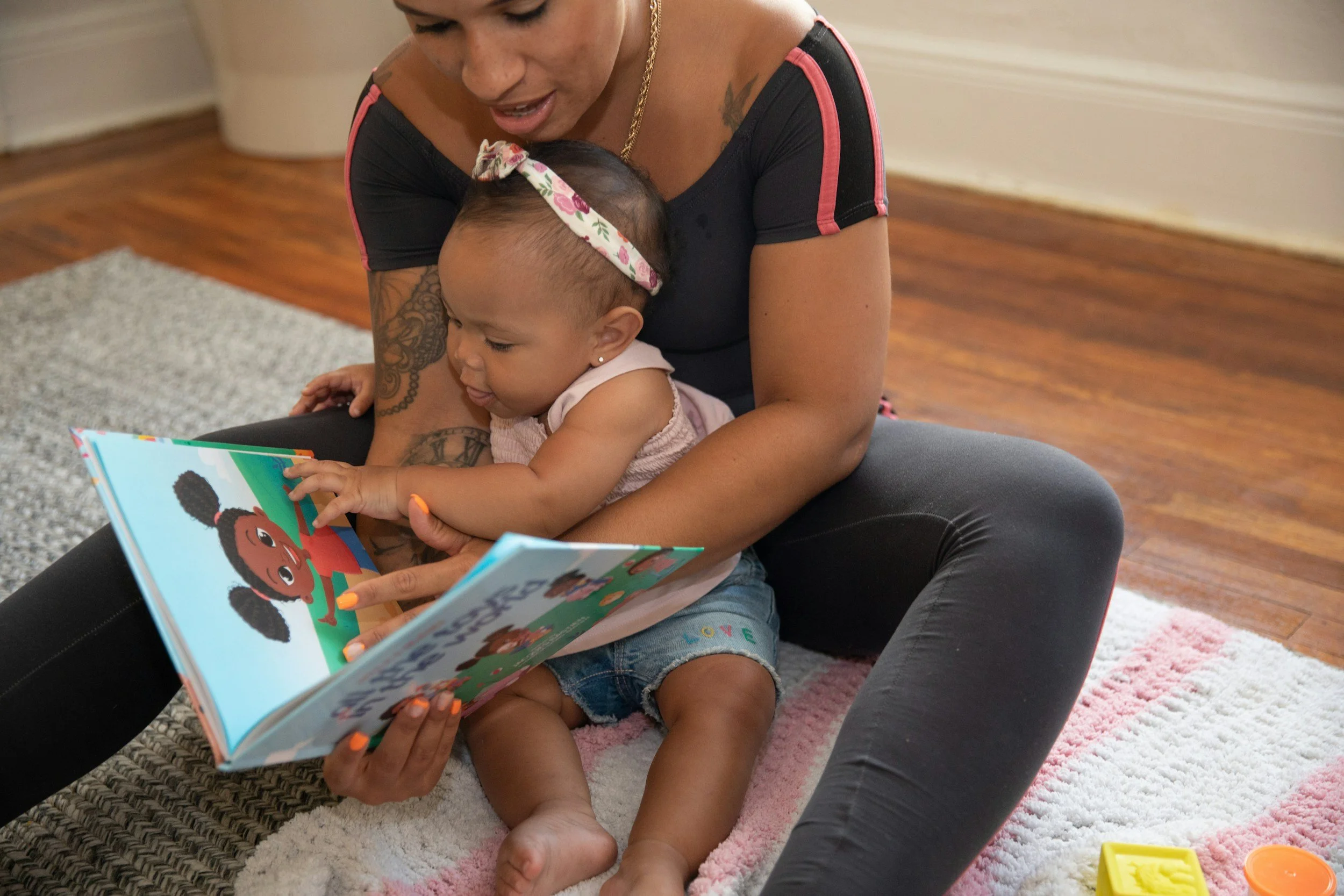

Providing Support at Home to Meet Individualized Family Service Plan (IFSP) Goals
The Coaching Bridge
Parent Coaching works hand-in-hand with Caregivers, Early Intervention (EI), Speech-Language Pathology (SLP), Occupational Therapy (OT), and pediatricians.
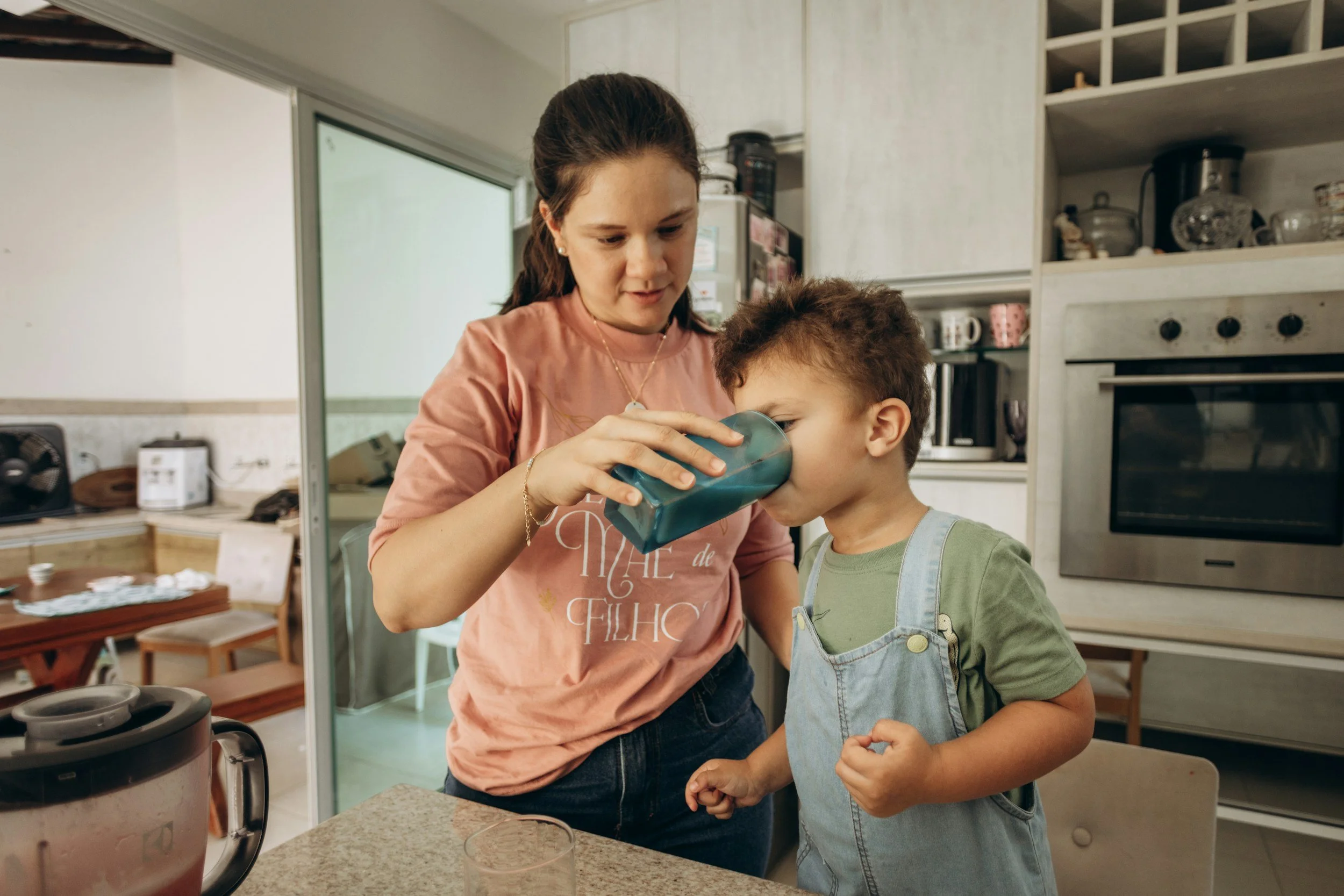

Provide you & your child a safe environment for growth
“Gentle parenting does not mean perfect. It means kind, considerate, calm, empathetic, compassionate, understanding, forgiving. These qualities are not just for our children but for ourselves too. ”
- Kirsty Lee
Frequently Asked Questions
-
First of all be curious. Ask, “ What makes you think that?” Do you have any observations, assessments, or screenings to share with me? Ask yourself, “Am I noticing the same at home?” I recommend beginning with observing your child. Depending on the concern begin to note the skills your child is successful at and where your child needs support. A great place to begin is to consult with your child’s pediatrician.
-
An IFSP is an acronym for an Individualized Family Service Plan.
It is a formal, legally binding document and customized action plan used in Early Intervention services for infants and toddlers (from birth up to age 3) who have developmental delays, disabilities, or specific high-risk health conditions.
-
While therapists, doctors, and specialists focus directly on teaching your child specific skills, parent coaching focuses on you, your child’s first teacher, who knows and loves your child best. It bridges the gap between expert advice and real life by giving you practical, real-time strategies to transform everyday routines at home into calm, confident wins for your whole family. Coaching will support you and your child build skills, improve transitions, establish routines, improve behaviors, and reach milestones at home.
-
Whether you should be concerned depends heavily on your child’s exact age and how they interact with adults and their environment. Two children who are the same chronological age may be socially developing at a different rate and other factors should be considered.
In early childhood, social play develops in distinct, predictable stages. What looks like "ignoring other children" is often completely age-appropriate behavior known as parallel play. At this stage children 2-3 years typically play side-by-side with other kids, using similar toys, but do not necessarily interact. Typically children begin interacting, joining other children, participate in unorganized play and playing with same toys by age 3.
-
Your Toddler is on track if he/she is
playing next to a peer without directly talking or playing with them this is typical Toddler behavior
interacting well with familiar adults. They bring you toys, make eye contact, smile, and point to show you things they find interesting.
Your Toddler responds when their name is called and engage in pretend play (e.g., feeding a stuffed animal).
-
Lack of joint attention
Does not respond to name
Avoids eye contact
Social disinterest
Unaware of people
-
Severe daily outbursts are not typical. It is important to keep in mind that each child is unique. While mild-to-moderate tantrums occurring a few times a week are an expected part of toddlerhood (ages 2 to 3), outbursts that happen multiple times a day, and are extreme in intensity, or last for extended periods can be concerning, and an indicator of potential emotional dysregulation, or sensory overload. Other factors to consider when evaluating the behavior are concern for safety, how long it takes the child to recover, and the impact the tantrums have on your child’s and your family’s daily lives.
-
Getting started is simple. Reach out by completing and submitting the form, available on the contact page or simply push one of the buttons on any page to book your free 20 minute consultation.
-
Co-regulation is the supportive process where an adult helps a dysregulated child return to a state of emotional safety. Children learn to self-regulate later in life by experiencing repeated co-regulation during early childhood. Coaching provides opportunities to practice co-regulation strategies with your child. This practice helps both parent and child find calm.
Still have questions?