The transition from toddlerhood into preschool years marks a profound development shift for both parent and child.
Parent Coaching Helps You Create Balance
For You & Your Preschooler
The preschool years bring tremendous growth, independence, and new challenges for both children and parents. Whether you're managing daily power struggles, emotional outbursts, developmental concerns, or preparing your child for success at school, parent coaching provides practical strategies and personalized support that help your entire family thrive.

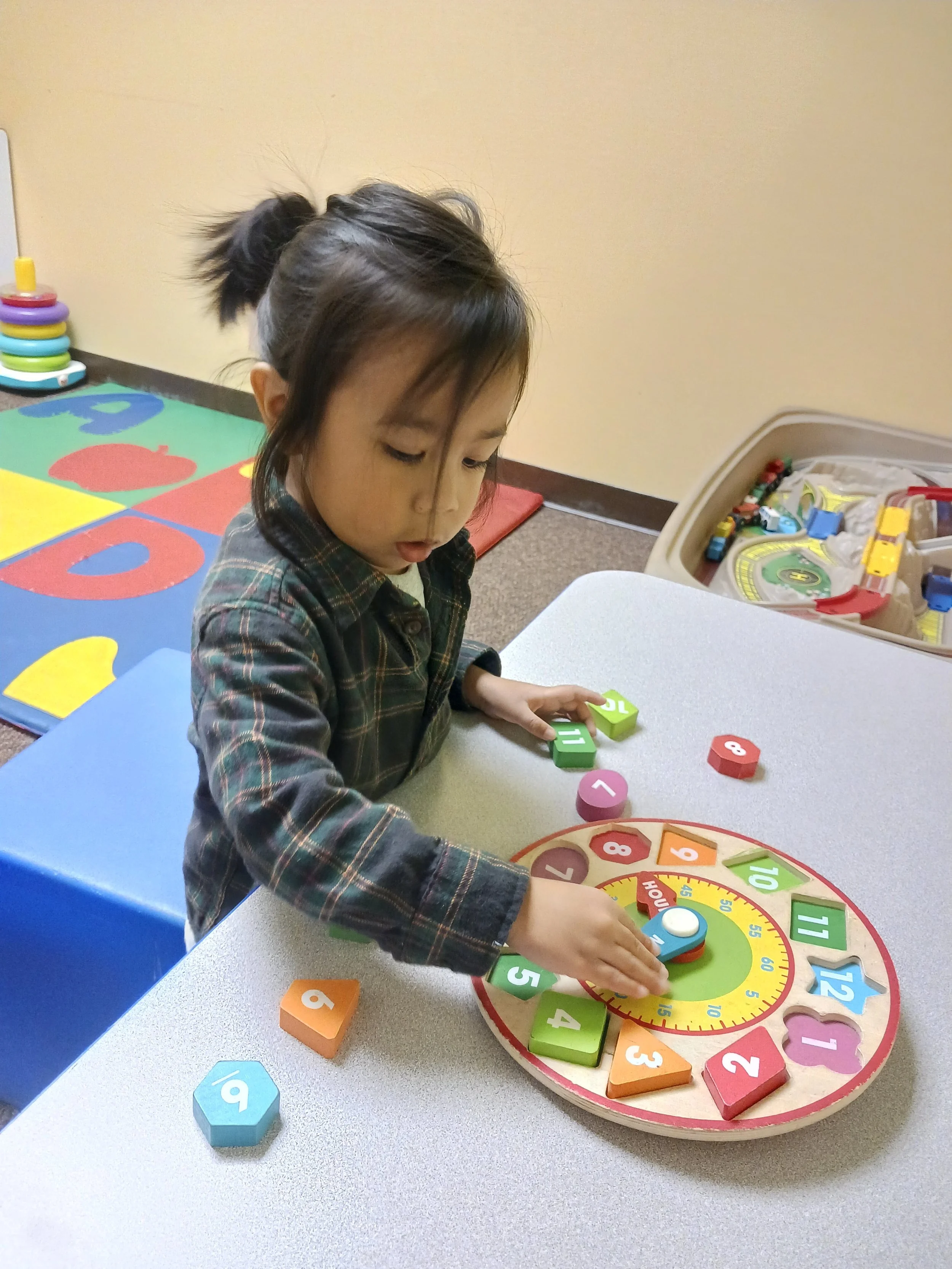
Your Child is Learning to…
Navigate structured environments
Follow multi-step routines
Manage bigger group dynamics
Learn new expectations
Manage Sensory overload
Express complex emotions

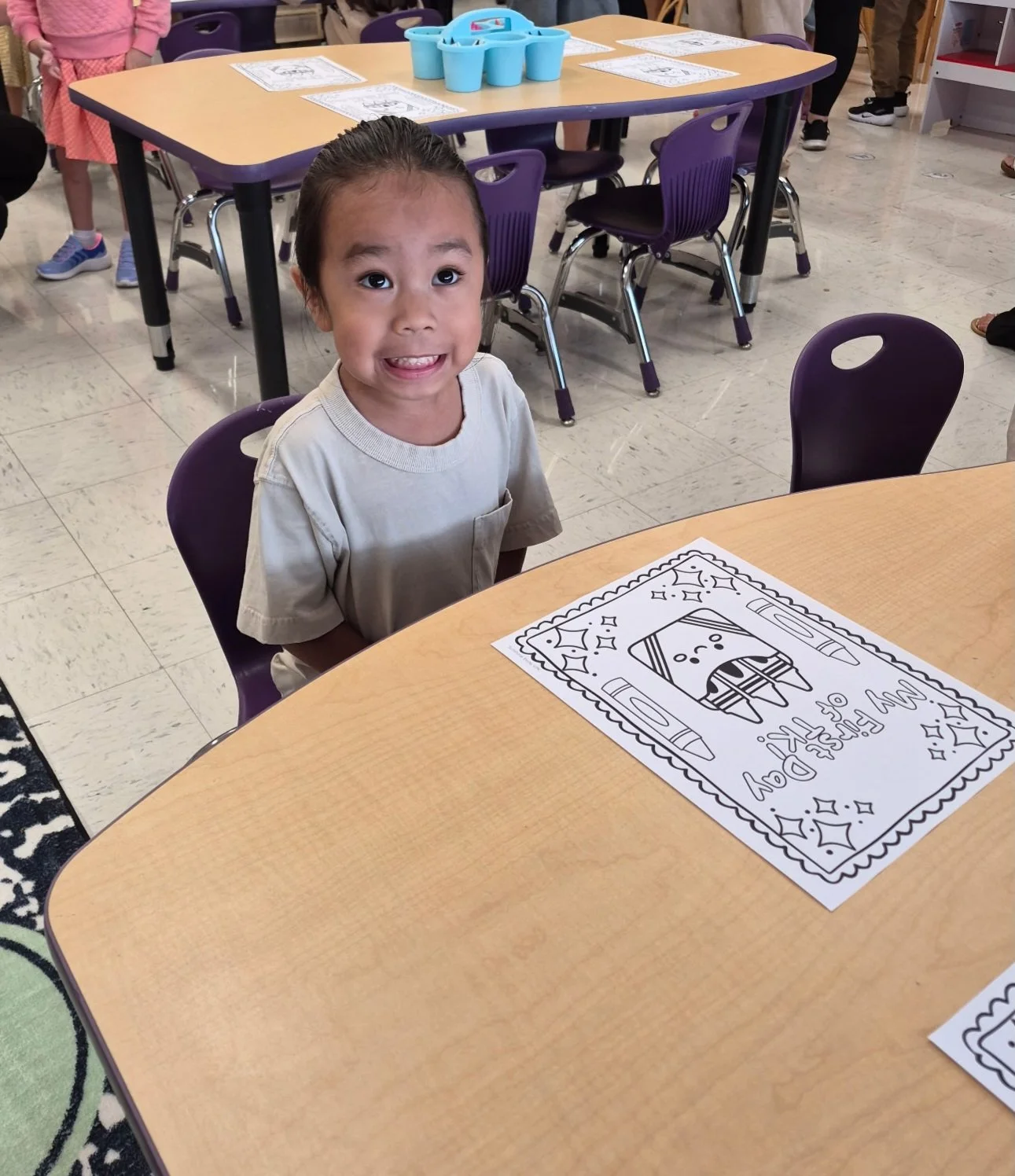
You Are Learning to…
Move from direct hands-on caregiving
Navigate a new culture & expectations
Balance firm boundaries with nurturing support
Help your child self-regulate outside the comfort of home
Be your child’s biggest advocate by protecting their best interest
Building Skills
&
Strengthening Connections
&
Building Skills & Strengthening Connections &
How Parent Coaching Helps…
-
Establishing a consistent routine with a preschooler can feel overwhelming. Parent coaching offers clear, tailored strategies that turn daily transitions into predictable, calm moments. A coach helps parents design realistic routines that align with your child’s developmental stage, using visual schedules and play-based cues to make expectations concrete and engaging for young children.. Coaching equips parents with proactive techniques to handle resistance and power struggles with confidence and empathy. By fine-tuning morning, bedtime, or mealtime habits alongside a coach, parents maintain a more peaceful home environment while fostering independence, self-regulation, and emotional security in their preschooler.
-
DeNavigating daily transitions—whether switching activities at home or managing the morning move from home to school—is often one of the most challenging friction points for parents of young children. Parent coaching helps families bridge these moments by shifting from reactive dynamic management to proactive, developmentally grounded strategies. As your coach I will work with you to implement clear visual schedules, early warning cues, and predictable drop-off rituals that ease separation anxiety and help children feel secure as they step into the classroom. Beyond practical tools, coaching guides parents in staying calm and co-regulating during moments of resistance, transforming both routine daily shifts and the home-to-school drop-off into smooth, confident habits that build a child's emotional independence and self-regulation.
-
Power struggles are a natural part of a preschooler’s drive for independence, but they can quickly drain a family's daily energy. Parent coaching helps parents step out of these repetitive battles by shifting the focus from control to connection and proactive structure. A coach guides parents in offering age-appropriate choices, setting clear and predictable boundaries, and using calm, consistent language that honors a 3-to-5-year-old’s need for autonomy while maintaining parental authority. Together we will explore the needs behind the emotion and your preschooler's resistance. You will learn to co-regulate in high stress moments and replace daily standoffs (getting dressed, leaving the park, or bedtime) with practical, cooperative routines that build long-term self-regulation.
-
Parent coaching serves as a vital bridge between home and school, helping parents create a aligned, cohesive support system for their preschooler across both environments. A coach empowers parents to establish clear, collaborative lines of communication with classroom teachers, ensuring that successful routines, behavioral strategies, and calming techniques are shared and consistently reinforced at home and in the classroom. For children with developmental delays or an Individualized Education Program (IEP), a parent coach helps translate complex goals from interprofessional team members—such as speech pathologists, occupational therapists, and behavioral specialist into practical, actionable home strategies. By bridging these environments and expert recommendations, parent coaching ensures parents feel confident advocating for their child while building a unified, wrap-around support system that nurtures the child's growth and confidence.
-
Parent coaching helps bridge the gap between official Individualized Education Program (IEP) document goals and a child’s daily reality, Your coach will guide parents through specific strategies to ensure educational plans are actively applied at home. A coach works with parents to break down formal IEP goals into manageable, routine-based strategies—such as integrating speech targets into mealtime.
Beyond home implementation, a parent coach empowers families to collaborate effectively with teachers, school teams, and interprofessional experts (such as speech-language pathologists, OTs, and behavioral specialists). By aligning visual supports, positive reinforcement systems, and communication methods across environments.
-
Parent coaching equips parents with the tools, knowledge, and confidence needed to effectively advocate for their preschooler and access vital support systems. A coach guides parents through the complex landscape of early childhood education and developmental services, helping them identify and connect with local resources—such as early intervention programs, regional centers, specialized therapies, and support groups. Beyond finding services, a parent coach helps parents find their own voice: teaching them how to organize developmental records, formulate clear questions, and articulate their child's unique strengths and needs during school meetings, IEP reviews and consultations with interprofessional experts. By turning overwhelming systems into clear, actionable steps, coaching empowers parents to become proactive, lifelong advocates for their child’s growth and well-being.
We need Joy as we need air.
We need Love as we need water.
We need each other as we need
the earth we share.
-Maya Angelou

You don’t have to navigate your parenting journey alone
Support for Developmental Concerns, IEPs & Challenging Behaviors
-
early intervention. How does parent coaching come into play and provide support. include conducting developmental screenings, child observations, parent: child interactions
Navigating concerns about a child’s development can leave parents feeling overwhelmed, anxious, and isolated as they process uncertainty and search for answers. Parent coaching offers a compassionate, grounded space during this vulnerable stage, providing immediate clarity and actionable support before or alongside official early intervention services. A coach can conduct developmental screenings and structured child observations within the home environment, helping parents better understand their child's unique developmental profile, strengths, and areas needing support. By closely observing parent-child interactions, a coach helps parents identify subtle communication cues, adjust co-regulation techniques, and embed targeted developmental strategies into everyday moments. This proactive partnership demystifies the early intervention process, transforms worry into meaningful action, and empowers parents to feel confident, capable, and connected to their child throughout their developmental journey.
-
When a child already has an Individualized Education Program (IEP), a parent coach serves as a practical guide and advocate to help families maximize the impact of that plan. While the school provides classroom services, a coach helps parents translate complex IEP goals and accommodations into actionable, daily home routines, ensuring consistency across environments. A coach assists in tracking home progress, reviewing quarterly school updates, and identifying whether modifications or additional supports are needed before annual review meetings. Furthermore, parent coaching helps parents build constructive, collaborative partnerships with teachers and service providers, empowering them to navigate school check-ins with clarity, communicate concerns effectively, and ensure their child's rights and individual needs remain fully supported.
-
Challenging behaviors—such as frequent meltdowns, aggression, or intense defiance are often a child's way of communicating overwhelming emotions or unmet developmental needs. A parent coach helps families step out of reactive power struggles, and instead, begin to uncover the root triggers behind these behaviors, whether sensory overload, difficulty with transitions, or emotional dysregulation. Rather than relying on temporary fixes or punitive measures, a coach equips parents with proactive co-regulation techniques, clear environmental structure, and calm, consistent boundary-setting strategies tailored to their child's temperament. By learning to stay grounded during high-stress moments and teaching the child alternative ways to express frustration, parents transform daily chaos into predictable, peaceful patterns that build long-term emotional resilience and strengthen the parent-child bond.

Frequently Asked Questions
-
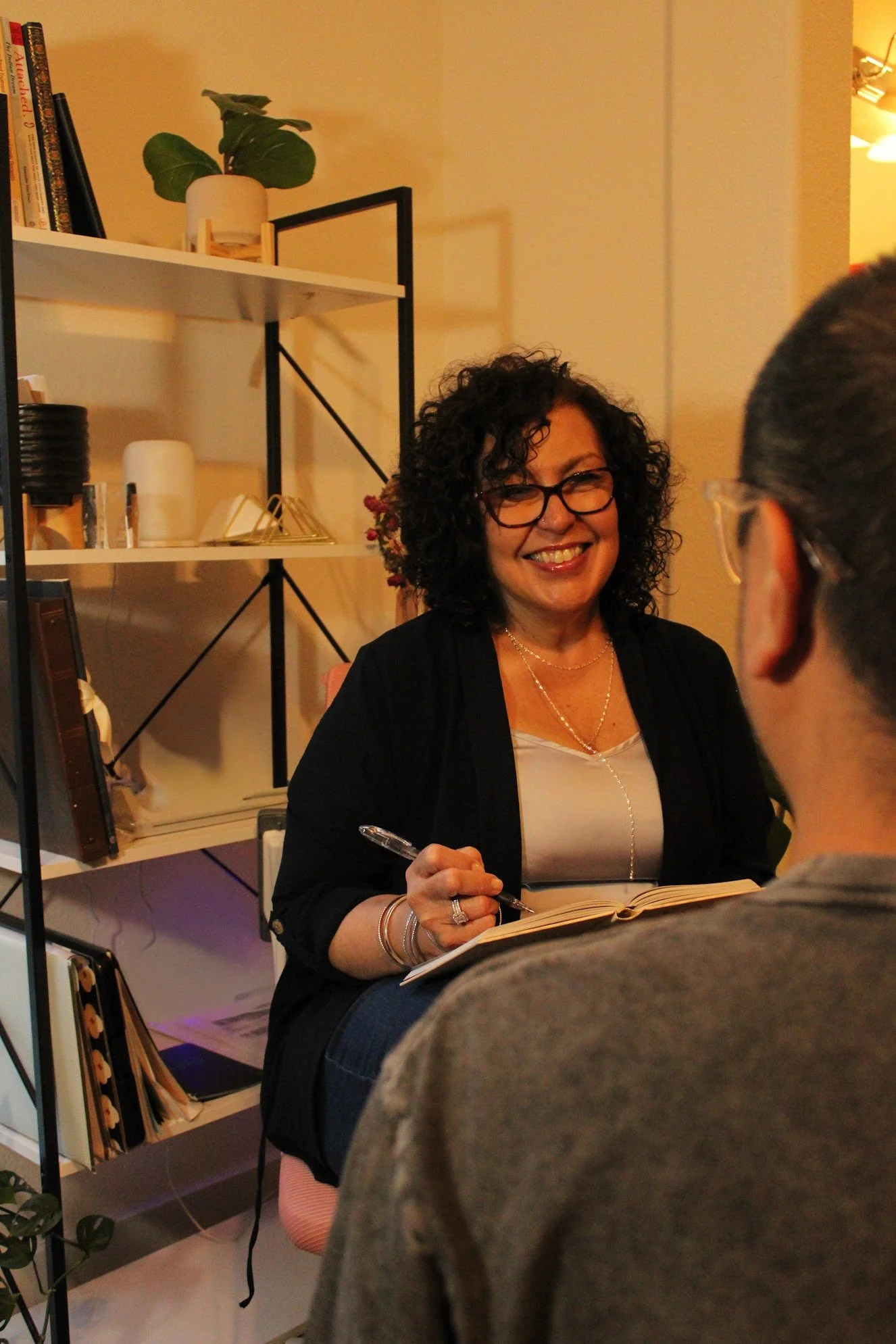
Working with me, as your parent coach, means having a dedicated, compassionate partner in your corner. As your coach, my goal is to create a safe space where you can share your real daily struggles without judgment. Our work together is deeply personalized, blending evidence-based early childhood strategies with a thorough understanding of your child’s unique developmental profile, temperament, and family dynamics. As a supportive advocate and sounding board, I help you navigate everything from daily transitions and power struggles to complex school team meetings and IEP goals. Every step we take is focused and goal-oriented, breaking down overwhelming challenges into practical, actionable routines that bring predictability, confidence, and peace to your home while honoring your role as the expert on your child.
-
First of all be curious. Ask, “ What makes you think that?” Do you have any observations, assessments, or screening results to share with me? Ask yourself, “Am I noticing the same delays at home?” I recommend beginning with observing your child. Depending on the concern begin to note the skills your child is successful at, and where your child needs support. How does your child interact with other adults and children? What is your child’s temperament? A great place to begin is to consult with your child’s pediatrician.
-
Getting started is simple. Reach out by completing and submitting the form, available on the contact page or simply push one of the buttons on any page to book your free 20 minute consultation.
-
An Individualized Education Program (IEP) is a legally binding document created for a eligible public school child (ages 3 through 21) who requires specialized instruction and related services due to a developmental delay or disability. It outlines the child's current level of performance, sets measurable annual goals across developmental areas—such as speech, motor skills, social-emotional growth, and academics—and details specific accommodations, adaptations, and support services (like speech or occupational therapy) provided by the school.
Parent coaching plays a critical role in turning this complex, formal document into an active, meaningful roadmap for a child's everyday success by:
Translating goals into daily home routines,
Building a collaborative home-school bridge
Tracking progress & empowering advocacy
Providing support when preparing for an upcoming IEP annual review meeting
-
Absolutely! Coaching can help with aggressive behaviors. When your child hits or bites it can feel very overwhelmed, disregulated, and unsure of how to respond. Aggressive behaviors are often a child’s non-verbal way of communicating. Parent coaching can help you navigate and eliminate hitting and biting by uncovering the root trigger(s), moving from reactive control to proactive prevention, and mastering co-regulation during the crisis.
-
While adults view sharing as a basic social kindness, a 3-year-old views it as a sudden loss of control over an item they actively want. A child at 3 is still in their egocentric stage of social development. They feel that giving the toy or book… away is permanent. I suggest you begin with turn taking. Model taking turns with family members. This will take practice.
-
This is common for children navigating a larger and more populated environment. Throughout the school day, your child uses immense mental and emotional energy to follow rules, sit still, manage sensory stimulation, share toys, and adjust to new social dynamics. At school, they keep their emotions strictly contained to meet expectations. When they get home—their ultimate "safe space"—their nervous system finally releases that built-up tension. they are a sign that your child feels safe enough with you to drop their guard, drop their self-control, and unload the day's stress and fatigue. Coaching can help you create a simple transition plan that will help your child to reset their nervous system and make after school time more enjoyable.
-
Co-regulation is the supportive process where an adult helps a dysregulated child return to a state of emotional safety. Children learn to self-regulate later in life by experiencing repeated co-regulation in early childhood. Coaching provides opportunities to practice co-regulation strategies with your child. This practice helps both parent and child find calm.